


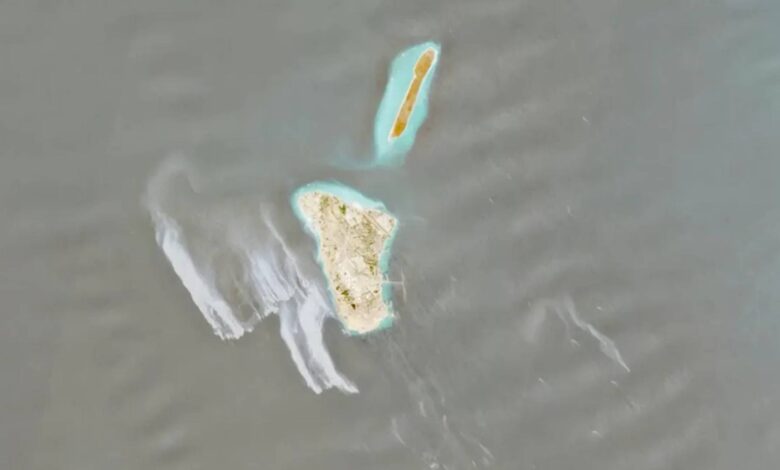
Massive oil slick detected near Iran Kharg Island
- Satellite imagery shows a suspected oil spill covering approximately 45 to 71 square kilometers west of Kharg Island.
- Iranian officials have denied the report, labeling it psychological warfare.
- Maritime analysts suggest the slick is the largest since the start of the current conflict 71 days ago.
New imagery from the European Copernicus Sentinel-1, Sentinel-2, and Sentinel-3 satellites captured between May 6 and May 8 reveals a large grey and white slick in the Persian Gulf.
The suspected oil spill is located west of Kharg Island, which serves as the terminal for 90 percent of the oil exports of Iran.
Researchers from the Conflict and Environment Observatory and maritime firm Windward AI have confirmed the visuals are consistent with a significant offshore oil leak.
Escalating environmental impact
The slick was first identified on May 5 and has since expanded, with some estimates suggesting it covers more than 71 square kilometers.
Experts from Data Desk noted that this could be the most severe environmental incident since the US-‘Israel’ war against Iran began.
Tracking data shows the spill moving southeastward at roughly two kilometers per hour, potentially threatening the exclusive economic zone of Qatar within days and the coastline of the United Arab Emirates shortly thereafter.
Infrastructure under blockade strain
The cause of the leak remains unconfirmed, but analysts point to the deteriorating state of the oil infrastructure in Iran under the current US naval blockade.
While US forces previously destroyed military targets on Kharg Island, current reports suggest the spill could originate from a rupture in aging undersea pipelines or from tankers stranded by the blockade.
Environmental engineers warn that the inability to properly store or export crude oil has pushed the Iranian system into a dangerous state.
Conflicting reports on origin
Tehran has officially rejected the satellite findings, with some officials claiming the images show waste discharged by a European tanker rather than a leak from their facilities.
However, independent monitoring services like Orbital EOS estimate that over 3,000 barrels of oil may have already been released into the sea.
The US military and the United Nations mission for Iran have not yet issued formal statements regarding the origin of the environmental disaster.
