
JD Vance scheduled to sign US-Iran memorandum in Geneva
- US says sanctions relief hinges on verifiable Iranian nuclear steps
- Qatari mediation helped advance revised draft agreement
- Diplomatic breakthrough follows latest Tehran-Qatar talks
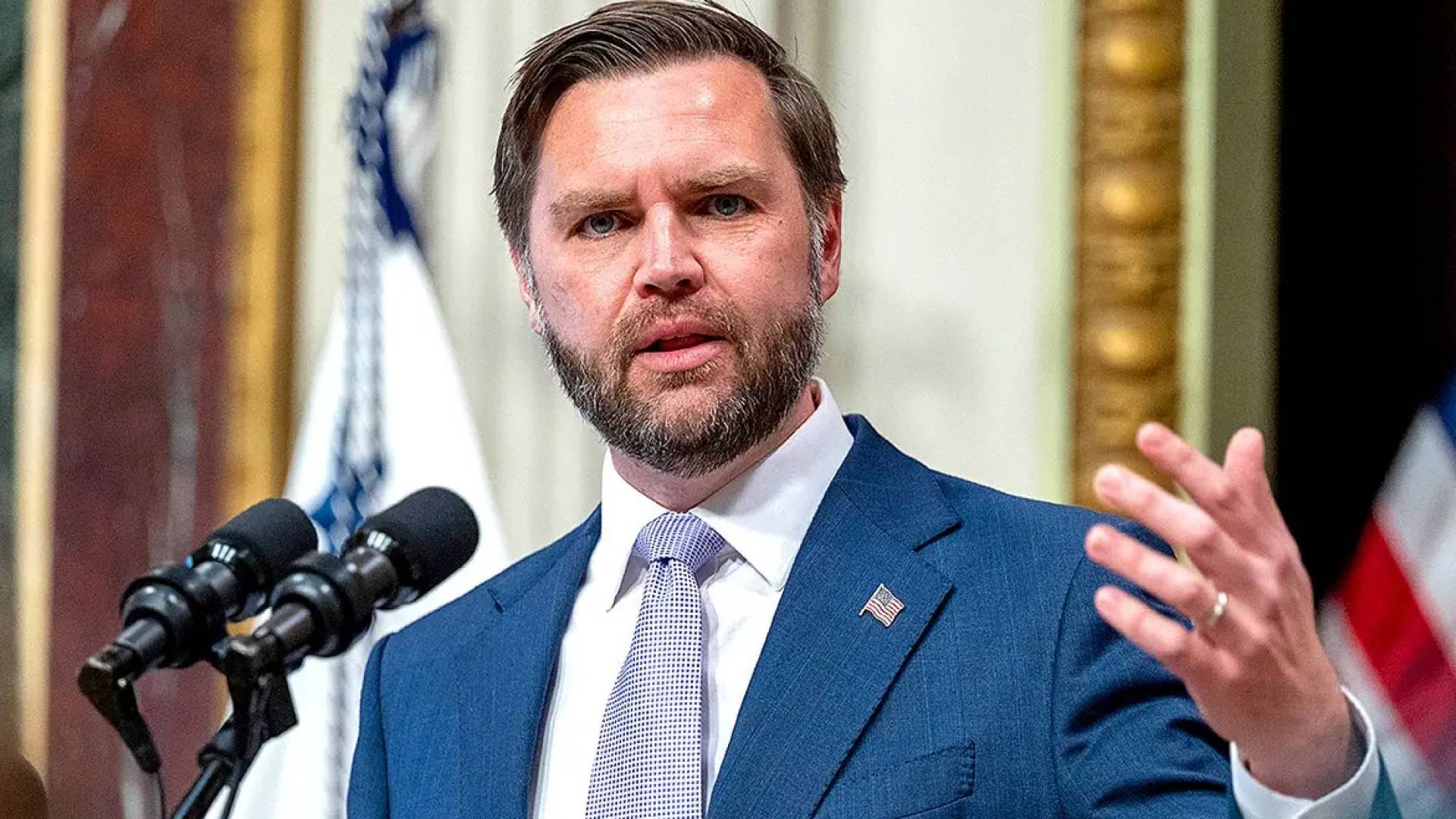
The United States and Iran have reached a pivotal breakthrough in their high-stakes negotiations, with US Vice President JD Vance prepared to travel to Geneva to sign a landmark memorandum of understanding aimed at pausing regional hostilities and reopening vital trade corridors.
According to an update published by The Wall Street Journal, citing senior American officials, the diplomatic gears are shifting quickly to formalize the transitional framework.
However, Washington is explicitly signaling that the initial document will not serve as a blank check for the Islamic Republic.
A senior US official emphasized that existing economic sanctions levied against Iran will not be eased or lifted prematurely, remaining strictly conditional on Tehran executing concrete, verifiable actions to curb its nuclear ambitions.
Qatari breakthrough
The fast-tracking diplomacy follows months of deadlock and volatile military friction. Insiders revealed that the critical turning point occurred last week after a Qatari diplomatic delegation returned from a high-stakes mission to Tehran.
The envoys carried a newly revised draft agreement that successfully bridged several structural impasses between Washington and the Iranian leadership, fundamentally resetting the negotiation track.
While the Geneva summit is designed to lock in the broad strokes of a 60-day regional ceasefire and secure the unhindered flow of global maritime shipping, deep complexities remain.
US officials noted that additional, highly sensitive technical discussions addressing thornier geopolitical disputes are scheduled to take place at a later date in Islamabad, Pakistan, which has consistently served as a central hub for the mediated peace talks.
Securing Hormuz
A core pillar of the impending pact revolves around stabilizing international energy markets. As part of the rollout, President Donald Trump is poised to make a direct appeal to global leaders, requesting that allied nations drastically step up their independent maritime surveillance and monitoring operations within the strategically vital Strait of Hormuz.
The move is intended to ensure total transparency and verify compliance once the maritime shipping channels are fully restored to pre-war volumes.
Despite the progress, the political landscape remains fragile. Vice President Vance publicly defended the administration’s strategy against domestic critics late Friday, reiterating that Iran will not receive access to any blocked or frozen assets simply for showing up to a meeting or signing a preliminary document, anchoring Washington’s “trust but verify” posture ahead of the historic European summit.