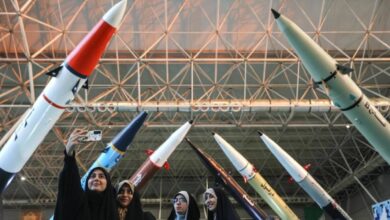
Iran still has thousands of ballistic missiles: WSJ
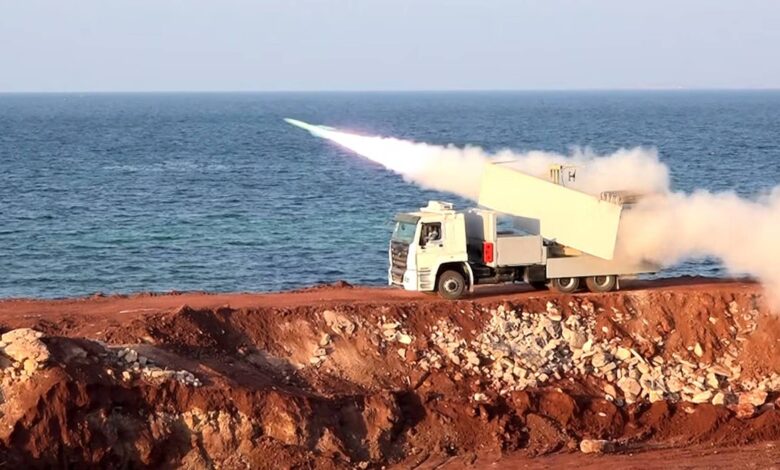
Iran continues to possess thousands of ballistic missiles and retains the capacity to retrieve and reactivate launchers stored in underground facilities, according to a United States intelligence assessment reported recently by The Wall Street Journal.
The assessment indicates that, while more than half of Iran’s missile launchers have been destroyed, damaged, or trapped underground during recent US and ‘Israeli’ operations, many of the remaining systems can be repaired or excavated from hardened complexes.
Iran’s overall ballistic missile inventory has been reduced by approximately half, yet it still holds thousands of medium- and short-range missiles capable of deployment.
These findings emerge amid ongoing diplomatic efforts to secure a cease-fire that would reopen the Strait of Hormuz and halt further attacks on Iranian, American, and regional targets.
US officials are engaged in negotiations in Islamabad, Pakistan, where envoys are seeking to leverage military gains to address long-term threats from Tehran’s missile program.
Pentagon chief Pete Hegseth has described Iran’s missile capabilities as “functionally destroyed,” with launchers and stockpiles deemed “depleted and decimated.”
However, intelligence reports present a more nuanced view, highlighting Iran’s demonstrated resilience in reconstituting forces despite extensive aerial campaigns involving over 13,000 munitions.
‘Israeli’ officials corroborate that roughly two-thirds of Iran’s ballistic missile launchers were rendered inoperable, yet many trapped underground remain retrievable.
They also say Iran cannot currently manufacture more missiles, and the “rate at which Tehran may rebuild their program will depend on what kind of help they receive from Russia or China,” the report says
Prior to the conflict, Iran possessed an estimated 2,500 medium-range missiles; more than 1,000 are believed to survive, after accounting for those expended or destroyed.
Iran’s drone inventory has fallen below 50 percent of pre-war levels due to expenditures and targeted strikes on production sites, though the country could potentially acquire replacements from external suppliers such as Russia.
A limited stock of cruise missiles also persists, posing risks to maritime traffic and forward-deployed forces if hostilities resume.